
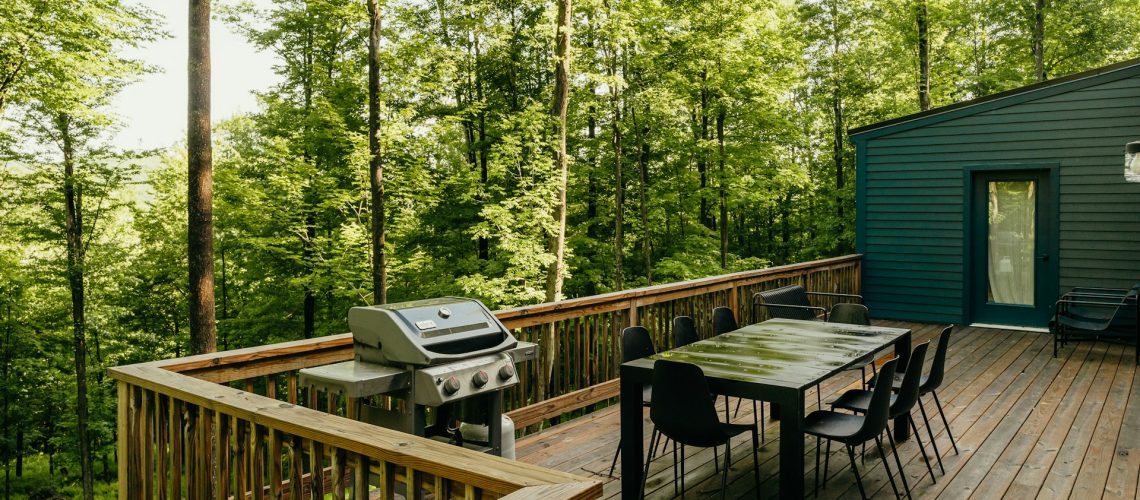
As summer winds down in Buffalo, your wooden deck has likely seen a lot of backyard get-togethers, cookouts, and late-night conversations under the stars. It’s had to endure strong sun, heavy rain, foot traffic, and maybe even a few dropped burgers from the grill. With cooler temperatures on the way, early fall is a good time to check in on how your deck is holding up.
Taking care of your wooden deck now can help it last longer and look better all year. Instead of waiting until something breaks or rots, a little regular upkeep can save you from big repairs later. Whether your deck is five years old or recently built, staying on top of its care gives you more use out of your space with less hassle long term. Here’s where to begin as the leaves start to fall around Buffalo.
Regular Cleaning And Inspection
Before you can fix anything, you need a clear view of the deck’s condition. That starts with cleaning. Dirt, leaves, moss, and even old food stuck between boards can speed up wear and tear. They trap moisture, which isn’t friendly to wood. Buffalo summers are humid enough, and that moisture getting locked in or worse, frozen into the surface later, can really wear down your deck fast.
Make it a habit to sweep your deck often, especially if trees are nearby. A simple rinse with a garden hose can help wash away grime. For tougher stains or mold, use a wood-safe deck cleaner and a stiff-bristle brush. Avoid pressure washers unless you’re absolutely sure the wood can handle it. Too much pressure can actually gouge the wood fibers and leave it worsened.
Once it’s clean, take a slow walk across every inch of your deck. Check for:
- Loose, cracked, or rotting boards
- Nails or screws that have popped up
- Wobbly railings or posts
- Discoloration or soft spots, especially near stairs or corners
- Gaps or splitting between boards
Use your foot to press down in suspicious areas, and don’t ignore creaks or shifts. These can be small signs of bigger problems. The good news is catching issues early usually means simpler, less expensive fixes. Spotting a soft board now might stop a serious structural issue next spring.
Applying Protective Sealant
Once your deck is clean and dry, the best thing you can do for it is apply a protective sealant. Wood is constantly exposed to moisture, UV rays, and changing temperatures in Buffalo. Without a sealant, that exposure weakens the wood’s structure and surface, making it age faster and look worse over time.
There are a few types of sealants to pick from. Clear sealers let the wood show through but fade sooner. Stained or tinted sealers offer more UV protection and last longer. Either way, try to pick something suited to Buffalo’s colder seasons and wide seasonal swings in humidity.
To seal your deck the right way:
- Confirm the wood is dry after cleaning. Wait a couple days with no rain.
- Lightly sand any rough areas or spots that absorb water unevenly.
- Use a high-quality brush or roller. Some sealers can also be sprayed on.
- Work with the grain, using long, smooth strokes.
- Avoid sealing if rain is expected within 24 hours.
Fall is a smart time to seal your deck, since you’ll lock in protection right before snow and ice arrive. Think of it like putting on a coat before stepping into the cold. You wouldn’t leave the house without it. Your deck shouldn’t either. Keeping this layer updated every couple of years helps the wood stay strong and attractive through Buffalo’s shifting seasons.
Dealing With Repairs Promptly
No one likes surprises when it comes to their deck, especially those that involve soft wood, rusted nails, or boards that give underfoot. Getting ahead of small issues can help avoid bigger ones later. When you catch a loose board or a popped-up nail, it’s always best to take care of it before it leads to more rot, warped planks, or even someone tripping.
Start with a quick check of any damage you spotted earlier during your inspection. If nails are sticking out, swap them out for deck screws. Screws grip the wood better and are less likely to wiggle loose over time. For cracked boards, see if the crack runs deep. Sometimes small surface cracks aren’t a big deal, but longer splits can trap water and lead to decay. Replace any piece that looks soft, splintered, or hollow underneath.
It’s also worth checking railings and steps. These parts of your deck take on a lot of weight. A weak railing or shaky stair tread can become a safety hazard quickly, especially once snow and ice make the surface slippery. Fixing these now, before the colder months hit, gives you peace of mind heading into the frozen season.
Don’t wait until spring to handle repairs. Buffalo winters are no joke, and any weak points in your deck will only get worse with snow, freezing temps, and shoveling.
Seasonal Maintenance Tips For Fall
Early fall is the perfect window to get your deck ready for Buffalo’s long winter. Prepping now can help protect it from snow, sleet, and ice that will sit on the surface for months. A little time now means fewer headaches when spring rolls around.
Here’s a short fall checklist for getting your wooden deck winter-ready:
- Move furniture off the deck or cover it with weather-proof covers to prevent scratches and moisture buildup underneath
- Clear out planters and pots. Wet soil can leak out and stain the boards or trap cold moisture against the wood
- Sweep regularly through fall to avoid soggy leaves building up in corners
- Check for any pooling water after a rain and lightly adjust slopes or surface drainage if needed
- Re-check previously sealed areas to make sure they’re still water-resistant. Drizzle a bit of water on top. If it beads up, you’re good. If it soaks in, it’s time to reseal
Don’t forget to remove snow gently in wintertime. Use a plastic shovel instead of metal, and always shovel with the grain of the wood instead of across it. That simple step helps protect the surface from scratches and long-term damage.
Keeping Your Deck Beautiful Year-Round
Even when your deck isn’t the main hangout spot through winter, keeping it tidy and damage-free lets it stay good-looking and ready when you need it. Protecting it from scuffs and stains during the months you aren’t using it as much is just as helpful as a summer cleaning spree.
Furniture placement makes a difference. Try not to drag chairs and tables across the boards. Lift items when moving them, and use rubber feet or pads to reduce scuffing. When weather stays dry, it’s smart to sweep off twigs and leaves every few days, especially around potted plants.
If you decorate for holidays, skip anything that could trap moisture or scratch the surface. For example, a neighbor once kept a string of lights nailed directly into the deck railing. After a few freeze-thaw cycles and some rust, it left permanent stains and tiny splits in the wood. Replacing those boards would’ve cost less if they had just used adhesive-backed clips instead.
Finally, think about how accessories like rugs or outdoor mats affect the wood. Rugs that don’t dry quickly can hold water underneath, even after the rain passes. Choose breathable outdoor materials and shift them around from time to time.
Give Your Deck The Attention It Deserves
Your wooden deck is more than just extra square footage. It’s a place where winter turns into spring, where burgers hit the grill, where cold drinks meet warm conversations. A spot like that deserves to stay strong year after year.
Taking simple steps in the fall like sealing, inspecting, and clearing clutter helps slow down wood aging and keeps repairs to a minimum. With winters in Buffalo being long and wet, that little bit of prep work now can go a long way. Whether it’s for safety, aesthetics, or peace of mind, a well-maintained deck will always be one of the best parts of home life.
If you’re looking to refresh your outdoor space before winter settles in, explore deck remodels to get the most out of your backyard setup. At Bacon Home Remodeling, we’re here to help you make your deck safer, stronger, and ready for everything Buffalo weather brings.