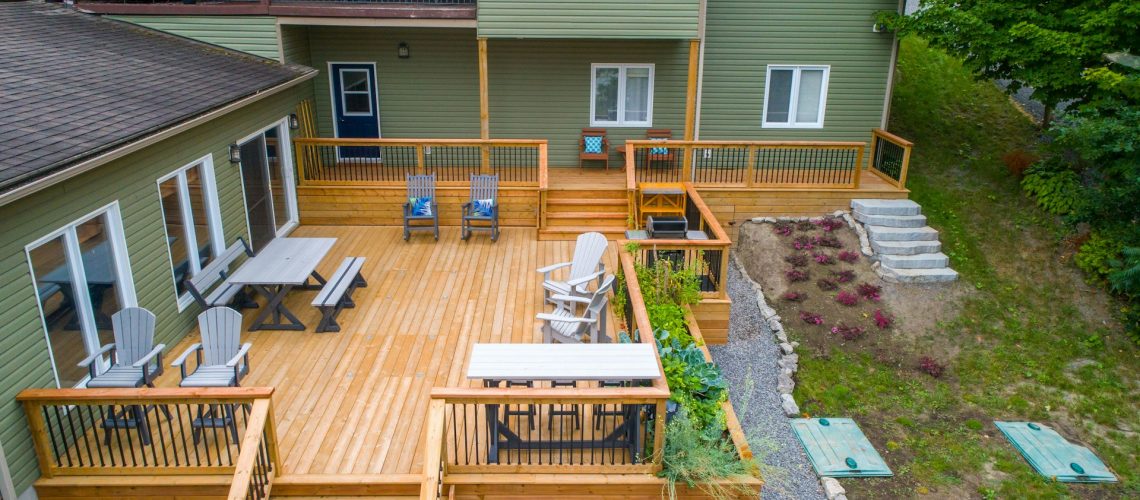
Decks are a big part of many backyards in Buffalo, offering a spot to relax, entertain, or just enjoy a little fresh air. But what many homeowners don’t think about is what’s holding that deck up. The support structure doesn’t always get much attention, but it’s what keeps everything safe and steady. Over time, weather and wear can affect how that structure holds up, and if the base isn’t strong, the whole deck can become a problem.
That’s why it’s good to have a clear understanding of how deck support works and what to look out for. Whether you’re planning a few minor repairs or thinking about remodeling your deck completely, knowing the basics of support and stability helps you make smarter decisions. It also helps you spot early warning signs before they turn into bigger issues down the line.
Understanding Basic Deck Components
Every deck rests on a system of parts that work together to keep it upright and secure. These aren’t just random pieces of wood. Each one plays a role in keeping the deck strong and level, especially with Buffalo’s changing seasons throwing snow, ice, and moisture into the mix. Here’s a breakdown of the main support components:
- Posts: These form the foundation of the deck, running from the ground up and carrying the entire weight of the structure. If the posts sink, lean, or crack, the whole deck can shift and become uneven.
- Beams: Running horizontally across the posts, beams help distribute the load evenly. They carry the weight from the joists and ensure the deck’s midsection is stable and doesn’t sag.
- Joists: These sit on top of the beams and run in rows, usually from the house outward. The floorboards fasten to them, so the spacing and strength of joists have a big impact on how solid the walking surface feels.
- Decking boards: These are the boards you walk on, but they rely entirely on the strength and positioning of the joists below. If the joists weaken or shift, the boards start to feel springy or pop loose.
- Ledger board: This attaches the deck to the house and helps hold one side in place. If not secured properly, it can create pressure points that stress the rest of the structure.
When these parts are sized and spaced properly and made from durable materials, they create a strong and balanced structure. But when shortcuts are taken during installation or if materials start to degrade, that balance starts to break. For example, if a beam starts to sag from water damage or poor bracing, the deck will start to slant or shake when walked on. That’s not only frustrating, it can be dangerous.
Knowing these parts doesn’t just help when building a new deck. It also helps with maintenance. If a few floorboards feel soft or uneven, the issue might be deeper in the support system. And dealing with a joist problem is very different from fixing a cracked deck board. That’s why it helps to get to know what’s happening underneath the surface.
Common Deck Support Issues
Even the strongest deck starts to wear down with age and exposure. In Buffalo, decks face everything from heavy snow loads in winter to long rainy stretches in spring and fall. These conditions put pressure on the structure year after year. Eventually, certain weak points start to give. Here are a few common issues that affect deck support:
- Moisture damage: Constant exposure to rain or melting snow can seep into cracks and unsealed spots in the wood. Over time, this weakens posts and joists, causing them to rot or swell and change shape.
- Insect damage: Termites and carpenter ants love moist, untreated wood. If they start tunneling through support beams or posts, it can reduce strength without much warning.
- Improper spacing: When joists or beams are installed too far apart or with the wrong size material, the deck can start to bounce or sag, even if the wood itself is in good condition.
- Loose fasteners: Screws, bolts, and hangers can shift or rust out over time, especially if they weren’t rated for outdoor use. This makes parts of the deck wobble or tilt.
- Soil shifting: With Buffalo’s freeze-thaw cycles, the ground can move a little each season. Deck posts that weren’t set deep enough or secured properly may shift, putting stress on the whole frame.
It doesn’t take a full collapse to know something’s wrong. You might notice the railing wobbles when leaned on or one corner dips more than the rest. Even small signs like creaking or soft spots often point to larger stability concerns below. If left unchecked, these problems can grow, and the longer they’re ignored, the more expensive and involved the fix becomes. Spotting them early is always better.
Solutions For Enhancing Deck Stability
Once you know where problems begin, it’s easier to figure out how to make your deck stronger and safer. Some fixes are about routine care, while others need professional tools or know-how. Either way, catching issues early keeps repairs smaller and the structure more reliable through the changing seasons in Buffalo.
Here are a few ways to improve deck support:
- Add diagonal bracing: This helps stiffen wobbly posts and prevent swaying. Bracing gives the frame extra support, especially in corners and long spans.
- Upgrade to pressure-treated lumber or composite framing: These materials hold up better to moisture and pests, which is helpful for decks exposed to Buffalo’s freeze-thaw cycles.
- Replace rusted or weak hardware: Old screws and brackets can pull loose from years of expansion and contraction. Use outdoor-rated connectors made to last against corrosion.
- Install new footings if needed: If the soil around your deck has shifted or settled, it may be time to dig deeper footings to stabilize it.
- Seal and inspect annually: Checking all visible boards and framing every fall or spring can help spot trouble before it gets worse.
Let’s say you notice one post leaning slightly after a rainy summer. Brushing it off could lead to bigger cracks in your decking the next year. On the other hand, catching it early might mean adding a brace or adjusting the base—small changes that go a long way.
Being proactive instead of just reacting makes a big difference. Each fix you take care of helps keep your deck long-lasting and strong. No deck is perfect, but a well-supported one always feels more solid underfoot and gives peace of mind.
Professional Deck Remodels For Increased Support
When support problems get bigger, certain repairs just go beyond what’s safe with a quick patch-up. That’s usually when a full or partial remodel makes sense, especially if your deck is older or wasn’t built with proper spacing in the first place. A remodel doesn’t always mean starting over. It can simply mean making structural updates to extend your deck’s life and always feel safe using it.
Trained crews can check below the surface and find hidden damage that’s tough to spot from above. They know which parts to replace completely versus those that can be reinforced. For example, they might reuse strong beams and posts but add steel connectors and braces to make everything tighter and more balanced. That kind of detail gives a deck long-term strength without a full tear-down.
They also factor in Buffalo’s weather changes. A good remodel takes into account snow load in winter, wind exposure, and how materials expand and contract through the year. Upgrades like deeper concrete footings and moisture-resistant framing pay off in the long run when you don’t have to worry about shifting or warping each season.
If you haven’t had your deck inspected in years, or if you’ve had to fix the same spots several times, chances are there’s a bigger issue underneath. A remodel can handle it before problems grow. And once that new frame is in place, your deck will feel more solid and ready for everyday use, from backyard parties in the fall to quiet mornings in spring.
Enjoying a Safe and Stable Deck
Supporting a deck is about more than just wood and nails. It’s really about making sure your outdoor space feels right. When the deck is sturdy, you don’t think twice about letting the kids run around on it or pulling a heavy grill across it. You can enjoy company without worrying whether that creak you heard means trouble.
It doesn’t take much to start the process of getting things back on track. Whether you want to replace a few sagging boards or take on a wider remodel, understanding how things work below the surface gives you more control over how your space holds up. With the right steps, your deck doesn’t just stay standing, it stays comfortable and reliable for years to come.
Ready to transform your outdoor area into a reliable and inviting space? Bacon Home Remodeling can help. Whether you’re looking to strengthen existing structures or start fresh, our expertise ensures your deck will stand the test of time. Learn more about how our deck remodels can make your space safer and more enjoyable for years to come.