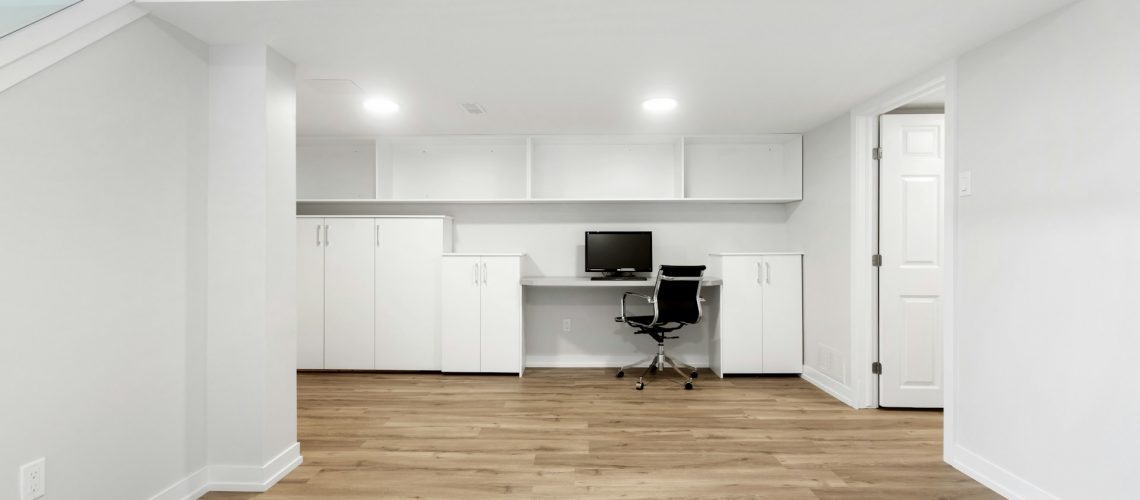
Working from home has become more than just convenient; it’s become the new normal for many people. But not all homes are set up for focused work. If you’re squeezing a desk into a bedroom or working from your kitchen table, chances are you’re not getting the productivity or comfort you need. That’s where turning your basement into a home office can be a smart move. A finished basement gives you the extra room without taking up space in the main part of your house.
Buffalo homes, especially older ones, often have unused or underused basements with great potential. Converting them into a home office is a practical way to create a clear separation between work and home life, which is hard to find when your job is just steps from your living room. With the right plan, you can create a quiet, functional space that helps you stay on task every season—even through Buffalo’s cold winters and humid summers.
Bacon Home Remodeling has helped Buffalo homeowners build spaces that blend purpose, comfort, and design. A basement office can offer just that.
Evaluating Your Current Basement Space
Before any design begins, it’s important to take a good look at your basement space. Every basement is unique, so the first step is deciding whether yours is in good condition for a remodel. Don’t stress if it’s dark or used for storage. The goal is to understand its current condition and what needs to change.
Start by checking these factors:
1. Moisture or water issues. Even slight dampness can damage furniture, flooring, and paint. Your basement must stay dry. Waterproofing or a sump pump might be needed.
2. Ceiling height. Some basements have low ceilings, which may affect whether it qualifies as a finished room, depending on local codes.
3. Structural elements. Beams, HVAC units, or water heaters can impact layout. These features won’t stop progress but will need to be accounted for.
4. Lighting and natural light. If your basement has windows, use them to your benefit. If not, plan your lighting carefully to keep the space bright and comfortable.
5. Insulation and climate control. With Buffalo’s weather shifts, insulation and a solid heating setup are key to making the space usable all year.
One local homeowner turned their unfinished basement around with a dehumidifier and updated lighting. Once insulation went in, it became the quietest room in their house—ideal for focused work and online meetings.
Taking the time to evaluate the space now helps avoid surprises later and gives clarity on budgeting and design choices.
Designing a Functional Layout
Once it’s clear your basement is ready for remodeling, it’s time to figure out the layout. A productive home office depends on more than sticking a desk in a corner. It needs thought, organization, and comfort.
First, think about how the office will fit your daily needs. Do you need silence for calls? Do you use multiple monitors, paper files, or creative tools? Your layout should support your routine, not fight it.
Here are a few layout tips:
1. Create separate zones. Even in small spaces, using rugs or thoughtful furniture placement to divide zones—like separate areas for your desk, storage, or printer—can help keep things running smoothly.
2. Go vertical. Using wall space for tall shelves or cabinets helps you save floor space and makes things easier to reach and manage.
3. Plan for lighting early. Use a mix of overhead lights, desk lamps, and accent lighting to create warmth. This can prevent that typical dark basement feel.
4. Choose ergonomic furniture. Invest in a chair and desk setup that supports your workday. Adjustable pieces make a huge difference for long work hours.
5. Use the walls. Add sound-absorbing panels to reduce echo, or use cork boards for organizing project materials. Light wall colors will keep the room feeling open and bright.
A good layout grows with your workflow. It cuts down on distractions and creates a workspace that lasts.
Incorporating Technology and Connectivity
Your home office needs the right technology to truly function. Think beyond the computer and look at everything that keeps your work smooth and connected.
Start with internet access. Basements often have spotty Wi-Fi. If that’s the case, consider installing an Ethernet connection or a mesh system to boost signal strength.
Next is power. You’ll probably need more than a couple of plug-ins. Make sure there are enough outlets in smart locations for your devices. If not, a professional can help you safely add more. Try not to rely just on power strips, especially if you’ll be spending full workdays there.
Cable mess can sneak up fast. To avoid that, try:
– Under-desk cable trays
– Velcro straps or clips to group wires
– Power strips attached to furniture
– Desks with grommets or cord pathways
Video calls have become part of daily work. Make sure your background looks clean and your lighting is strong enough to show you clearly. Good webcams or microphones can also make you look professional during online meetings.
Once the tech is solid, your workspace will feel less like a basement and more like a sharpened command center.
Adding Personal Touches and Comfort
A basement office doesn’t have to feel cold or plain. Adding style and comfort makes it a place you’ll actually enjoy spending time in.
Think about what decor matches your work pace and personality. This might be art on the walls, shelf plants, or a soft rug to cut the chill. Just make sure your personal touches don’t get in the way of productivity.
Comfort is just as important. Choose a chair that feels good throughout the day and lighting that won’t wear out your eyes. Small extras like a Bluetooth speaker for music, soft lighting, or a coffee station can keep your space feeling fresh.
If the sound echoes or feels harsh, hang curtains or use fabric-based decor to soften the sound. Some homeowners use floating shelves and wooden finishes to add warmth while keeping things functional.
A personalized space helps you stay focused longer and makes it easier to lock into your routine.
Transform Your Basement With Professional Help
Turning your basement into a home office solves more than space issues. It adds value to your house and brings peace to your daily life. A well-built workspace means better focus, extra room upstairs, and a better work-from-home experience overall.
But knowing which upgrades to choose, how to light and heat the space, and how to balance form with function can be tough without support. That’s where working with experienced remodelers makes a big difference. Someone who understands the quirks of Buffalo homes, changing weather, and aging structures can create a setup built to last.
If your dining room table has been doubling as your desk a little too long, it might be time to consider what a dedicated basement office could do for you. With smart planning and the right team, the perfect office might just be right under your feet.
Ready to see your basement transformed into a productive workspace? Discover how expert basement remodels can optimize your home’s layout for focus and comfort. Bacon Home Remodeling designs practical office spaces tailored to the unique needs of Buffalo homeowners.