An organized kitchen can make a big difference in how smoothly your day goes. Whether you’re prepping lunch after school drop-off or trying to throw together a quick meal after work, a kitchen that flows well helps things get done faster and with less stress. Simple changes like where utensils are kept or how pantry items are grouped can save time and reduce the back-and-forth pacing that clutters up your process.
When the layout and storage in your kitchen make sense for the way you use it, everything else feels easier. Smart organization plays a big part, and this is often one of the reasons people pursue kitchen remodels. An updated layout designed around daily habits and real-life needs can take your kitchen from frustrating to flexible. Let’s look at some helpful ways to get your kitchen sorted for a better workflow.
Decluttering Your Kitchen
Before organizing anything, it’s best to start by decluttering. If your drawers are overflowing or cabinets hold items you haven’t used in years, it’s going to be hard to keep things tidy. You don’t need to become a minimalist, but trimming down what you own opens up valuable space and clears paths for much smoother cooking routines.
To make it easier, tackle one section at a time:
- Start with one drawer or cabinet so it won’t feel overwhelming
- Group similar items together so you can see duplicates or things you rarely touch
- Ask yourself, “Have I used this in the last year?” If the answer is no, set it aside
- Set up three boxes or bags: Keep, Donate, and Toss
- Be realistic about gadgets. If a tool only does one job but hasn’t been used in ages, let it go
The point isn’t to get rid of everything, just to remove what’s in your way. For one Buffalo homeowner, clearing a shelf of expired spices and old kitchen gadgets freed up enough space to set up an easy-access area for baking supplies. Now, instead of hauling out ingredients from all over the kitchen, everything needed is in one neat spot.
Once you’ve cleared the decks, it’ll be easier to see what space is available and what kind of organization system will actually work for your kitchen.
Zoning Your Kitchen
Now that there’s more breathing room, the next step is creating zones. Think of this as giving each kitchen task its own area. Instead of running from one corner of the room to another while you’re cooking, zoning helps tighten up your movements and saves time.
Most kitchens benefit from having three major zones:
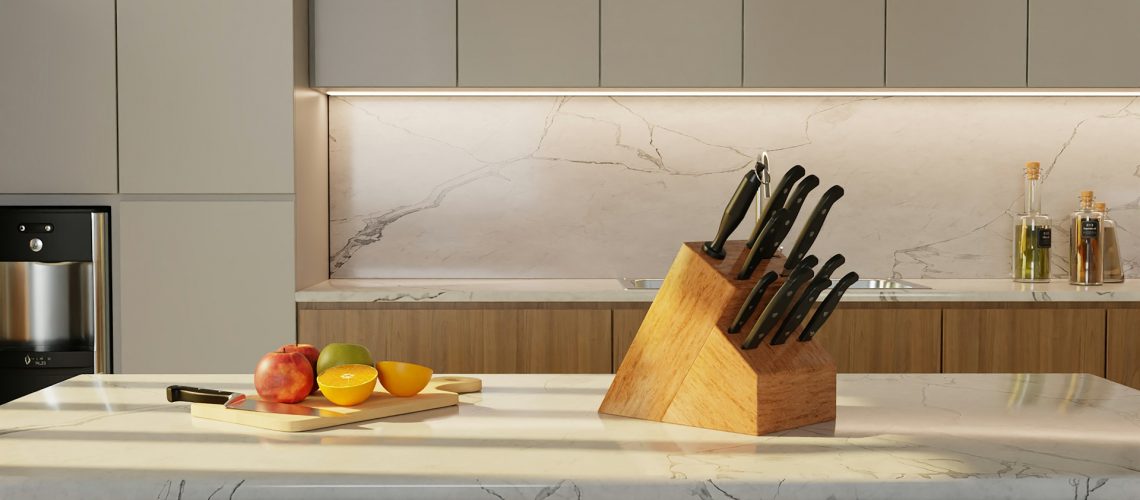
- Prep Zone: This is where you’ll want knives, cutting boards, bowls, and mixing tools. Keep these close together, ideally near the fridge or sink.
- Cooking Zone: This zone includes your stove, oven, pots, and pans. Also, store utensils like spatulas, tongs, and ladles here so you’re not hunting them down when things are heating up.
- Cleaning Zone: Your sink and dishwasher go here. Keep dish soap, scrubbers, drying towels, and trash bins nearby.
Organizing your kitchen using these zones can boost efficiency quite a bit. You’ll avoid unnecessary steps and keep traffic areas cleaner. It also helps when more than one person is in the kitchen. With clear zones, everyone has a place to work without getting in each other’s way.
This kind of setup is easy to maintain, whether you’re reorganizing your current layout or planning changes during kitchen remodels. Understanding how you move through the space lets you make smarter choices for better day-to-day living.
Optimizing Storage Solutions
Once the zones in your kitchen are set, it’s time to think about how to make storage work better for you. Proper storage isn’t about having more space, it’s about using the space you already have more efficiently. Whether you have a large kitchen or a narrow galley layout, the right setup can keep your tools and ingredients where you need them without clutter.
Start with cabinets. Adjustable shelves inside allow for taller items like pitchers or food processors, while pull-out drawers can make it easier to reach things in the back. Deep drawers are perfect for pots, pans, and lids. If you’re always digging through a crowded cupboard to find the right baking dish, a wider drawer might be the solution.
Mounting racks, dividers, and stackable bins also come in handy, especially in pantries. Labeling dry goods by category or putting breakfast items in one bin and baking supplies in another can prevent confusion. Hooks or magnetic strips on the inside of pantry doors are great for lightweight items like measuring spoons or spice packets.
Here are a few more creative ideas that maximize storage:
- Add under-cabinet baskets for dish towels or lunch bags
- Use tiered racks inside cabinets to double shelf space
- Hang cookware from a ceiling rack if your cabinets are full
- Install a narrow pull-out next to the oven for spices and oils
- Store cutting boards upright in a vertical slot to save counter space
When everything has a spot, you’re less likely to pile things on counters or forget what you have. Clear organization also makes grocery shopping easier because you can see what’s running low at a glance.
Incorporating Functional Design Elements
Storage and layout matter, but so does the overall design. The structure of your kitchen should help you move freely from one task to another, support daily routines, and reduce the wear and tear on your body. Adding the right design details can make a big difference in how enjoyable your kitchen is to use.
Take kitchen islands, for example. A well-placed island can serve as a prep zone, serve snacks during game day, or just give you extra space to spread out. If you cook frequently, including extra outlets, deep drawers, and even a small prep sink built into the island can level up its value.
Lighting is another game changer. Ambient ceiling lights may brighten the whole room, but task lighting should support specific zones. Install under-cabinet lighting to illuminate your prep area or pendant lights over an island to reduce shadows. Good visibility helps keep the space safe and reduces eye strain.
Lastly, don’t forget about ergonomics. You want counters at a comfortable height and appliances placed where you don’t have to bend or reach too much. Some people benefit from wall ovens instead of floor units or drawers for dishes instead of overhead cabinets. These adjustments might seem small but can make a big difference over time.
For one homeowner in Buffalo, switching a fixed cabinet for a pull-out pantry near the stove turned out to be the best design choice. It made it easier to grab ingredients mid-recipe without stepping away from the cooktop, cutting time and mess.
Your Space Should Work With You
A disorganized kitchen slows everything down and quickly becomes a daily frustration. But with the right layout, smart storage, and a setup that’s intuitive to how you cook and clean, your kitchen can become a space that saves time instead of wasting it.
The good news? You don’t need an enormous kitchen to make it functional. Whether you’re living in a downtown Buffalo home or managing a busy suburban household, thoughtful organization can transform how your space works. From prepping meals to cleaning up, the flow becomes smoother, and your kitchen just feels better to be in.
When you’re ready to stop working against your kitchen and start making it work for you, it may be time to rethink the space—and that’s where kitchen remodels come in. Done well, a remodel can bring your vision of a simple, streamlined kitchen to life and turn everyday tasks into something way easier to handle.
Ready to update your kitchen from cramped and chaotic to sleek and efficient? Discover what’s possible with our expert kitchen remodels designed specifically for Buffalo homes. At Bacon Home Remodeling, we help you create a space that works better for your daily routine—more organized, more functional, and a lot less stressful.