
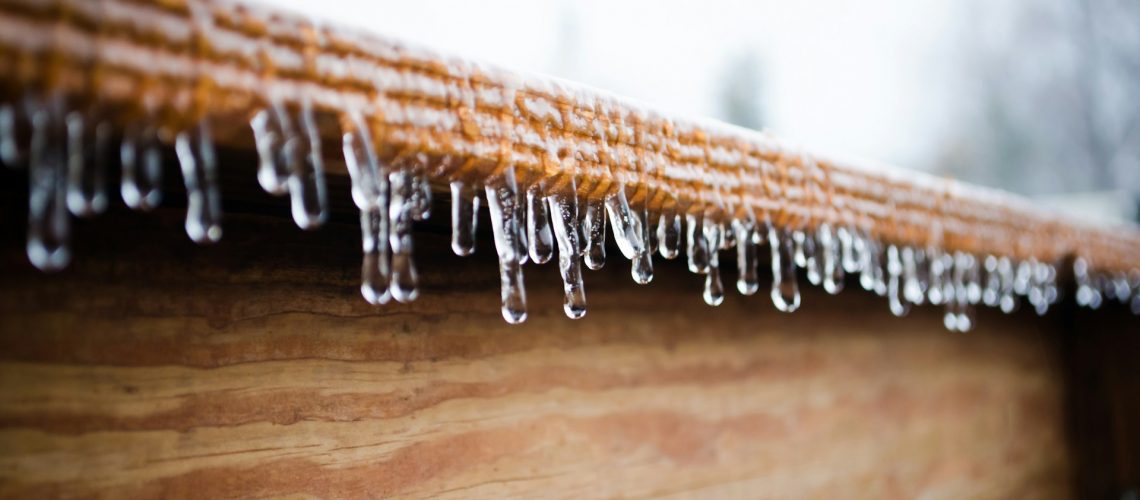
Winters in Buffalo can be long, cold, and rough on everything outdoors, including your deck. Ice, snow, and freezing temperatures put a lot of pressure on the materials, especially if your deck isn’t built or maintained to handle harsh weather. That pressure builds up over months and can take a serious toll if the deck isn’t protected the right way.
Damage from snow and ice doesn’t just affect how your deck looks. It can also lead to safety issues and expensive repairs down the line. That’s why it’s so important to stay ahead of winter problems and protect your space before damage sets in. Whether yours is made of wood, vinyl, or composite, understanding what causes that damage and how to prevent it goes a long way in keeping your deck strong, safe, and ready to use all year.
Understanding The Impact Of Winter On Your Deck
Not all decks are made the same, and they don’t all fare equally in winter. Materials like untreated wood are especially vulnerable to snow and ice buildup, which can trap moisture and seep deep into the grain. When temperatures drop and that water freezes, it expands and causes boards to crack. Over time, recurring freezing and melting cycles will leave your deck looking worn out and feeling unstable underfoot.
But the risk doesn’t stop with cracking. Here are other common issues caused by Buffalo’s icy winters:
– Warping: Moisture that gets into the boards and freezes repeatedly can shift the shape of the wood. You might notice boards curling or lifting on the ends, which not only looks messy but can become a tripping hazard.
– Mold and Mildew: Snow that sits too long without being cleared off can add too much moisture, helping mold take hold, especially if the deck doesn’t get lots of sunlight.
– Rust: Metal fasteners and support brackets under the deck can corrode over time, affecting the structure that holds everything together.
– Surface Peeling: Paint or stain can chip or peel away when moisture collects under the coating, exposing raw material to the elements.
Think of your deck like a car windshield in the middle of winter. If you neglect it and let ice build up day after day, tiny fractures appear and get larger every time the temperature swings. Decks respond the same way to cold weather stress. Addressing these problems now means avoiding heavier damage down the road.
Preventative Measures To Protect Your Deck
Taking smart steps before and during winter can make a strong difference in the lifespan of your deck. You don’t need a full renovation to keep it in good shape. Often, it just comes down to the basics.
Here are several ways to protect your deck from snow and ice:
1. Clear Off Snow Promptly: Use a plastic shovel, not metal. Shovel in the direction of the boards to avoid gouging the surface. Don’t let snow pile up. Heavier weight increases pressure and traps moisture.
2. Use Ice Melt Safely: Avoid rock salt or chemical products that contain harsh ingredients. Look for products listed as safe for wood or composite decking to prevent staining or surface wear.
3. Seal and Stain at the Right Time: If you haven’t done this before temperatures drop, now’s not the time. Late spring or early fall is best for sealing, when the deck is dry and temperatures are mild. Sealants help block moisture from soaking into the boards in winter.
4. Place a Breathable Cover: A polyethylene tarp that allows some air in (not plastic sheeting) will shield the deck but prevent mold growth underneath. Make sure it’s fastened securely, so it doesn’t blow off during storms.
5. Clear Gutters Nearby: Overflowing gutters can let water drip onto your deck and freeze over time. Keeping them clear helps prevent surprise ice patches or water damage.
Taking these small actions through the season, especially right after a snowfall, won’t just help avoid damage. They’ll also save time when spring rolls around and you’re ready to use the space again. Small habits now lead to fewer headaches later.
Choosing Winter-Resistant Materials
Some deck materials hold up better to Buffalo winters than others. If your current deck is showing signs of wear, it might be time to think about your material options. Wood looks great, but untreated or older wood tends to absorb moisture. That moisture can freeze and lead to problems like splitting or shifting. Composite materials and pressure-treated lumber offer stronger resistance to these cold-weather stressors.
If you’re building a new deck or replacing parts of an existing one, choose materials that are built to last in icy conditions. Keep an eye out for:
– Pressure-treated wood: It’s treated with preservatives that help fight off rot, insects, and moisture damage. It’s a good balance between cost and weather resistance.
– Composite decking: Made from a mix of wood fibers and plastic, composite boards hold up well against moisture. Since they don’t need to be stained or sealed, they’re lower maintenance through the winter.
– Vinyl or PVC decking: These materials resist moisture and never need painting or sealing. They’re smooth and slick, so you’ll want to add some slip-resistant texture or coatings.
When considering new materials, think about how much maintenance you’re willing to do each year. If you don’t want to worry about sealing every fall or clearing mold growth in spring, a switch to composite or vinyl might be worth it. An example in Buffalo involved an older home with a traditional wood deck built decades ago. A remodel using composite boards kept the look while standing up to constant snow and freeze cycles without warping or splintering.
If you’re not sure whether your current deck materials are the right match for winter, it’s a good idea to have a contractor take a closer look. That way, small materials issues won’t turn into full replacements down the road.
Regular Maintenance During Winter
Even if you’ve picked strong materials, winter upkeep still matters. It doesn’t have to take much time, but doing simple checks will help you catch issues early. Ice doesn’t just affect the deck boards. It can weaken the things that hold everything together, like metal brackets, screws, and railings.
Here’s a basic winter maintenance routine to follow:
1. Brush off snow regularly, especially near railings and stairs where buildup is dangerous.
2. Check exposed fasteners for signs of rust or shifting. Metal expands and contracts in freezing temperatures, so movement is normal. Gaps in hardware should be tightened if parts come loose.
3. Walk the perimeter and look for soft spots or bounce in the boards. That may point to hidden moisture damage or rot.
4. Inspect the space underneath the deck for pooling water or ice dams. If air can’t flow, moisture hangs around and may lead to mold or damage the support structure.
5. Keep nearby trees trimmed. Snow-heavy branches dropping onto your deck can cause more than just a mess.
If anything doesn’t feel right, like boards flexing more than usual or nails popping up, hold off on using the deck too much until it’s checked out. Quick patch jobs sometimes mask bigger underlying issues, which is why getting a professional opinion is the safest route.
When To Consider A Professional Deck Remodel
Sometimes winter reveals problems that regular maintenance can’t fix. If your deck is getting older or keeps showing the same issues year after year, it might be time to consider a more serious update. Remodeling doesn’t always mean starting over. It could be something simple like refacing surfaces or replacing stairs and railings that have seen better days.
Look out for warning signs like:
– Splintering boards or exposed raw wood
– Large sections where water pools or drains poorly
– Warped framing that makes the surface uneven
– Posts that shift when pushed or feel loose at the base
– Railings that wobble, even after tightening
If any of these problems are paired with an overall dated or worn appearance, a remodel can bring you both safety and style. It’ll also give you better use of the space year-round, especially when you choose features meant to handle Buffalo’s freezing winters. By planning your remodel before major damage hits, you’ll avoid scrambling in spring or needing a full replacement later on.
Enjoy a Safe and Stunning Deck All Winter Long
Winter is going to do its thing, but that doesn’t mean your outdoor space needs to suffer for it. Staying on top of regular care and choosing the right materials for harsh weather can go a long way in protecting your deck. Whether you’re trying to extend the life of what you’ve already got or thinking it’s time for something new, being proactive pays off in the long run.
In a place like Buffalo, where snow hangs around for months, your deck takes more of a beating than you might see in milder regions. With a mix of smart materials, light upkeep, and good planning, your deck can stand up to ice and snow without getting wrecked. Your yard deserves a space that works as hard as you do, even when it’s cold out.
Prepare your deck for the snowy months ahead and keep it looking its best with expert help. If you’re facing persistent issues or considering a change, explore our deck remodels designed to handle Buffalo’s harsh winters. Bacon Home Remodeling delivers quality craftsmanship that creates safe, durable, and beautiful outdoor spaces all year long.