
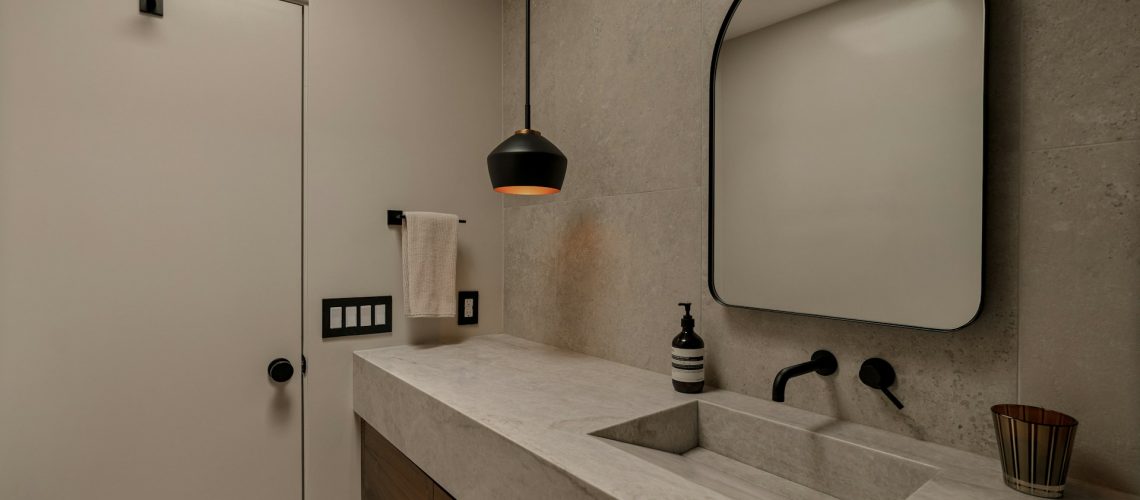
A small bathroom can work hard for your family, or it can fight you every single day. In many older Williamsville homes, the bath falls into that second group, with tight corners, awkward doors, and fixtures that never quite feel like they are in the right place. Winter layers, extra towels, and visiting guests only make the problem louder.
The good news is that a small bathroom remodel in Williamsville, NY, does not always mean tearing out every wall and moving every pipe. Many of the biggest layout wins come from fixing small, overlooked details that steal inches from you. As a local, family-owned remodeling team, we see these same trouble spots again and again, and we know how to turn them into smart, comfortable spaces that feel bigger than they are.
In this article, we will walk through simple layout changes that can have a big impact. These are the kinds of tweaks that improve how you move, where you store things, and how warm and bright the room feels, without always needing a full gut renovation.
Rethink the Door That Eats Half Your Floor Space
A standard swing door can be the biggest space hog in a tiny bathroom. When it opens in, it cuts across the room, blocks the vanity or toilet, and makes it hard for more than one person to be in there at once. Hooks full of towels and robes only crowd the path more.
There are a few better options that many homeowners overlook:
• Pocket door that slides into the wall
• Barn-style slider on the hallway side
• Reversing the swing so the door opens out
• Widened opening for easier movement
These changes free up wall space for a towel bar or narrow shelf and clear more floor for your feet. They also help kids, older family members, and guests move in and out without bumping into sharp corners.
Older Williamsville homes often have thicker plaster walls, hidden pipes, or surprise wires around doorways. That is why it is smart to have a licensed remodeler look at the framing and code needs before cutting into anything. Done right, a better door can make the whole room feel more open and safer in an emergency, since someone can get to you even if you are on the floor near the entry.
Upgrade the Tub and Shower Footprint You Inherited
Many bathrooms in our area still have big cast-iron tubs that take up most of one wall. If your family mostly showers, that huge footprint is not doing you any favors. It makes the room feel long and narrow, and it leaves little space for storage or a larger vanity.
When we plan a small bathroom remodel, we often look at options like:
• Converting an old tub to a compact walk-in shower
• Choosing a narrower soaking tub with a smaller outer width
• Adding a curved shower rod to gain elbow room
• Using a partial glass panel instead of a full wall of curtain
Sometimes, shifting the drain or the valve just a bit helps the space feel more natural, without the cost of moving every pipe. For example, sliding the shower head along the wall can keep spray off the toilet or vanity and make a tight corner feel less cramped.
To keep the room bright during our long gray months, we like lighter tile, clear or lightly frosted glass, and built-in shampoo niches instead of bulky metal caddies. A low-profile shower base with a slip-resistant surface can keep the room open and modern while still feeling secure underfoot.
Make the Vanity Work Smarter, Not Wider
A chunky vanity or a lonely pedestal sink can both hurt a small bathroom in different ways. One blocks doors and drawers, the other leaves you with no place to put anything. The trick is to make every inch of the sink wall work harder.
Some layout tweaks that help:
• Floating vanity that shows more floor and makes cleaning easier
• Shallower depth cabinet that does not intrude as far into the room
• Off-center sink that frees space on one side for drawers or a laundry basket
• Single sink with extra counter instead of a tight double sink
Vertical storage is key in a small space. Instead of a flat mirror, a mirrored medicine cabinet gives you hidden storage for daily items. A tall, narrow tower cabinet beside the vanity can hold towels without taking up much floor. Recessed shelves built into wall cavities add space without sticking out into the room.
Lighting also plays a big role here. Centering the main light with the mirror, and adding soft light at face level, helps the room feel wider. Good lighting over the vanity makes dark winter mornings feel less harsh and reduces shadows that make a small space feel closed in.
Win Back Wasted Inches Around the Toilet
Toilets often get shoved into the tightest corner of the bathroom, which makes the whole room feel off-balance. When the bowl is too close to the tub or the side wall, basic tasks feel cramped and uncomfortable.
There are a few simple layout changes that can help:
• Compact elongated toilet that saves length without giving up comfort
• Slightly adjusted rough-in to center the toilet better on the wall
• Half wall beside the toilet to give privacy without a full partition
• Toilet paper and brush storage placed so they do not crowd your knees
Building codes and comfort guidelines both call for clear space around the toilet, side to side and in front. When we respect those clearances in the layout, even a small bathroom can feel surprisingly open.
Above the toilet, there is usually a great chance for extra storage. Shallow cabinets or shelves can fit into the wall cavity, keeping items within reach but not sticking out like a heavy box. The goal is to keep the top half of the room light and calm so the space does not feel top-heavy.
Use Light, Heat, and Venting to Maximize Comfort
Even the smartest layout can feel wrong if the bathroom is dim, cold, or steamy all the time. Poor lighting and weak fans are common in older homes, and they hit small bathrooms even harder.
We like to think about three comfort zones:
• Light: recessed fixtures over the shower, vanity lighting at eye level, and a centered main light
• Heat: radiant floor heat under tile or a heated towel bar in a smart spot
• Air: quiet but strong vent fan, placed where steam gathers most
Placing lighting where you actually stand and move, instead of just in the center of the ceiling, helps the room feel bigger and more welcoming. A better fan layout helps clear steam faster, which protects paint, grout, and trim in our damp winters.
Energy-efficient fixtures and controls can help manage utility bills while still giving you a warm floor and dry air. In a small space, those comfort upgrades make the room feel like a little retreat, not a chilly box you rush to escape.
Plan Your Small Bathroom Remodel with Local Pros
If you walk through your bathroom and pay attention to every tight corner, door conflict, and awkward reach, you will start to see where the layout is holding you back. A small bathroom remodel often starts with a simple list like: door swing, tub size, vanity depth, toilet spacing, lighting, and fan placement.
Older homes in our area can hide tricky plumbing runs, insulation gaps, and moisture issues behind the walls. Working with a licensed, family-owned team that knows local houses and local weather helps you solve those hidden problems while you fix the layout. At Bacon Home Remodeling, we focus on practical, layout-first designs, fast turnarounds, and flexible financing that make it easier to turn a cramped, underperforming bath into a warm, functional space that works in every season.
Get Started With Your Project Today
If you are ready to make the most of every inch in your bathroom, we are here to help you plan a thoughtful and functional small bathroom remodel in Williamsville, NY. At Bacon Home Remodeling, we listen to how you use your space so we can recommend layouts, storage, and finishes that actually fit your daily routine. Tell us about your goals and timeline, and we will walk you through clear next steps and budgeting options. Have questions or want to book a consultation now? Just contact us and we will follow up promptly.