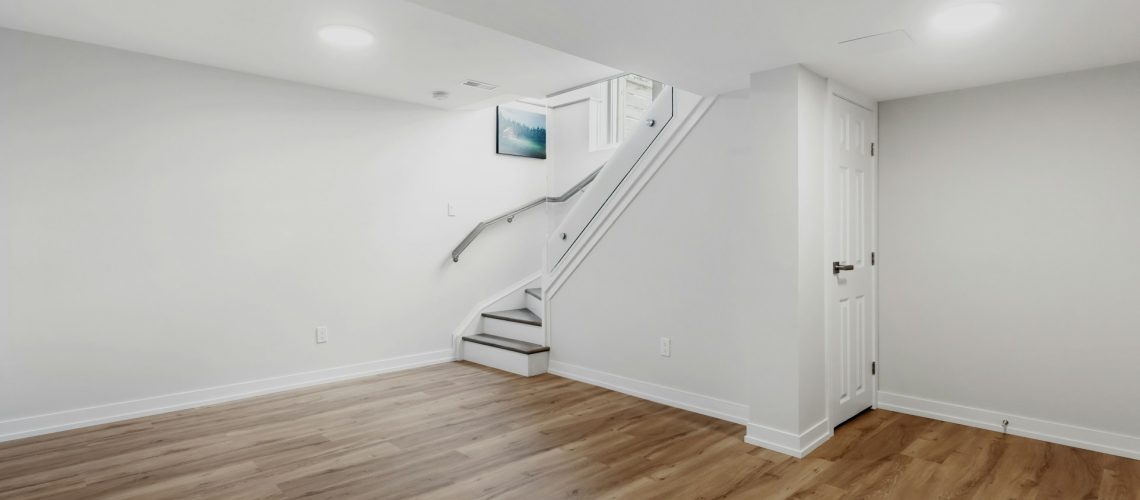
If your basement always feels cold underfoot, you’re not alone. Many homeowners in Buffalo deal with chilly basement floors, especially during the winter months. Whether you use your basement as a living room, a home gym, or just a place to do laundry, icy floors can make the entire space uncomfortable. It makes you less likely to spend time down there and can sometimes be a hint that something bigger might be going on behind the scenes.
Cold floors in basements are more than just a nuisance. They can impact how much you enjoy the space, and over time, they may even affect energy use throughout your home. It’s not always just about temperature either. Damp conditions, poor insulation, or outdated materials can all be part of the issue. Tackling the problem starts with understanding what’s causing it in the first place.
Identifying the Causes of Cold Basement Floors
Cold floors don’t always mean something’s broken. Sometimes, it’s just how the basement was originally built. But for Buffalo homes, where winters are long and snow-heavy, certain construction features can make basement floors feel like ice. Knowing what’s behind the temperature problem helps narrow down what steps to take next.
Here are some common reasons your basement floor might be cold:
1. Inadequate insulation: A lot of older basements weren’t insulated with comfort in mind. When floors aren’t insulated well, cold from the ground seeps right up through them.
2. Poorly sealed windows and doors: Drafts from windows or exterior door frames can let freezing outside air into the room.
3. Lack of proper heating: If your basement doesn’t have its own heating source or if the air doesn’t circulate well from the rest of the house, the whole area drops in temperature quickly.
4. Moisture and humidity issues: Water or dampness can make the space feel colder than it really is. Wet floors pull heat away from the air and your feet.
Each of these problems can build on the others. A badly insulated floor combined with a humid space and poor heating creates a perfect storm for a freezing basement. That’s why it’s worth addressing them one by one, starting with the things you can’t see, like what’s underneath the surface.
Insulation Solutions
If cold floors are dragging your basement down, insulation is often the best place to start. Most older basements either have low-quality insulation or none at all under the flooring. Adding the right materials can trap more heat indoors, make surfaces warmer to walk on, and reduce how much your heating system has to work.
There are different insulation types that can help depending on your flooring setup:
1. Rigid foam board: A popular choice because it’s lightweight, easy to cut, and doesn’t absorb water. It works well under floating floors like laminate or luxury vinyl plank.
2. Spray foam: Great for sealing edges and tight gaps. It expands to fill empty spaces and acts as both insulation and an air barrier.
3. Fiberglass batts or rolls: Used less under floors and more within walls or ceilings but can go below subfloors when framed properly.
4. Insulated floor panels: These come pre-assembled with multiple layers, including insulation and a subfloor, and are designed specifically for basements.
When installing insulation in a basement, it’s important to address any moisture issues first. Trapping water against insulation or under it can lead to mold over time. You’ll also want to lay down a proper vapor barrier if there isn’t one already.
Insulated floors also give your basement a more stable temperature year-round. Even in Buffalo winters, floors stay warmer and the area feels less damp. Once the insulation is handled, you can move forward with other upgrades, like your heating options, to complete the fix.
Heating Options for Basements
Once insulation is in place, the next thing to look at is how you’re heating the space. Many basements don’t have their own heating systems, and shared air from upper floors usually isn’t enough to keep things comfortable. Adding or upgrading your basement heating can make a big difference in how warm the floors feel.
Radiant floor heating is one of the most effective picks for chilly basement floors. It works by installing electric or water-based heating elements underneath the floor surface. Instead of blowing hot air into the room, the heat rises slowly and evenly from the ground up. This keeps the space warm without any loud fans or vents. It’s especially helpful in Buffalo winters, when the floors feel colder than anywhere else in the house.
For quicker fixes, portable space heaters seem convenient but don’t always get the job done long term. They’re more of a temporary patch than a real solution. A better bet might be installing permanent baseboard units or extending your existing HVAC setup to include the basement. This gives you consistent heat throughout the space without needing to plug in extra equipment.
When thinking about different heating systems, keep things like floor type, basement use, and overall energy use in mind. Radiant heat works great under tile or laminate but might not make sense if you’re still using a concrete floor. On the other hand, extending ductwork or using electric baseboard heaters can be more flexible if you’re trying to keep renovation costs under control.
Addressing Moisture and Humidity
If you live in Buffalo, you’re already familiar with damp seasons and sudden snowmelt. That excess moisture has a habit of finding its way into basements, especially if floors and walls haven’t been sealed right. Too much humidity doesn’t just feel uncomfortable, it can also make your floors colder and harder to heat.
Waterproofing the basement is one of the biggest steps you can take to keep things dry and warmer. That usually means sealing foundation cracks, using mold-resistant paint where needed, and installing a strong vapor barrier below flooring materials. Sometimes, a sump pump system needs to be upgraded if your basement tends to flood or take on water during heavy rain.
Using a dehumidifier all year long helps maintain a stable humidity level. That reduces the clammy feeling in the air and protects whatever flooring you’ve added. In winter, a drier basement also means warmer floors, since moisture can suck heat away faster than dry surfaces.
If there are visible water issues like white stains on concrete or soft spots on the floor, those should be fixed first before adding anything new. Otherwise, even high-end heating or flooring upgrades may not work like they should.
Personalized Touches to Keep Warm
Once insulation, heating, and moisture are under control, you can start adding personal touches that make the basement feel even cozier. Floor materials have a big effect on temperature, both physically and how the space feels overall. Opt for warmer alternatives like carpet tiles, engineered hardwood with underlayment, or cork flooring. These are easier on bare feet than raw concrete or ceramic tile.
Besides choosing the right flooring, here are some other things to try:
1. Add large area rugs, especially over spots you use the most
2. Use soft furniture with thick cushions to keep the space inviting
3. Install insulating curtains or thermal blinds over any basement windows
4. Create warmer zones with lighting or wall colors that feel cozy
Layering different comfort elements helps fill in small gaps that heating or insulation might miss. These little touches add up and make your basement feel like an extension of the rest of the house instead of a leftover space that’s always too cold to enjoy.
Transform Your Basement with Bacon Home Remodeling
Fixing cold basement floors doesn’t have to be done all at once. Starting with insulation and moisture control can already turn a freezing space into something more livable. From there, adding the right heating system and choosing better flooring brings it all together. When it’s finally finished, you’ll have a basement that’s actually comfortable in the middle of a Buffalo winter.
Too many basements sit unused just because people don’t want to deal with the cold, damp feel. Taking time to improve how the floor holds heat is one of the best ways to get more value out of the space. Whether it becomes a game room, home office, or just a hangout spot, it’s worth making the space comfortable year-round.
Thinking about transforming your basement into a cozy, warm retreat? Bacon Home Remodeling can help make that dream a reality. Explore how our basement remodels in Buffalo can enhance your space, ensuring it’s comfortable and welcoming regardless of the season. Don’t let cold floors keep you from enjoying your home to the fullest. Let’s create the perfect atmosphere for you and your family.