
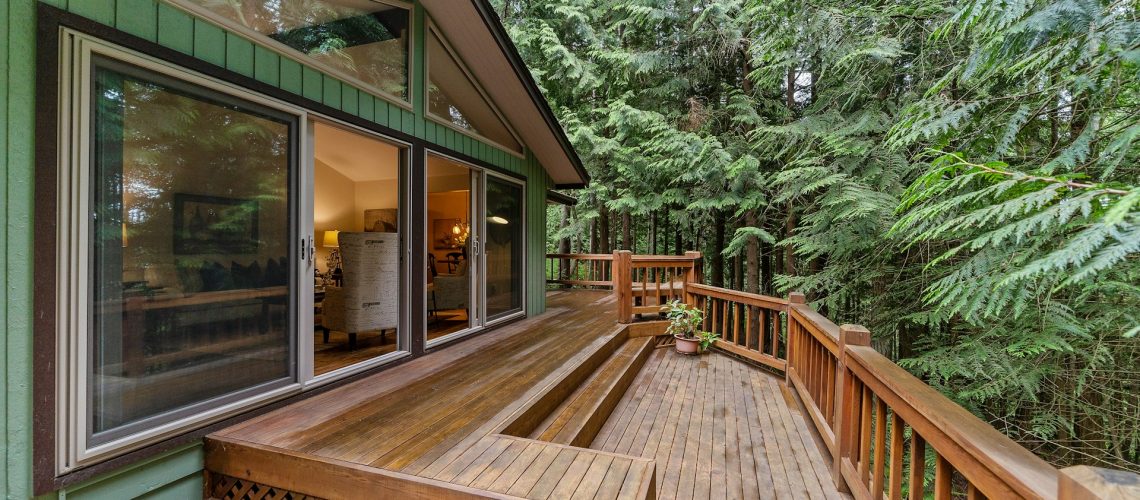
Drainage problems can turn a beautiful deck into a constant headache. If water doesn’t drain properly, you’re left with soggy boards, mildew, and damage that only gets worse with time. Buffalo weather doesn’t help either. With the mix of rainfall in late summer and heavy snow during the colder months, moisture finds every little weakness a deck has. Whether it’s puddling after a storm or slow draining that causes long-term wear, deck owners know how frustrating it is to deal with water issues.
But here’s the thing — you don’t have to live with it. Most deck drainage problems come from a few common causes, and once you spot them, it’s easier to address them before they ruin your outdoor space. Whether your yard has an awkward slope or your gutters are working against you, spotting and fixing the problem early helps keep your deck looking good and lasting long. Let’s go over what drains should do, what happens when they don’t, and how to spot the signs early on.
Understanding Deck Drainage Problems
Buffalo gets its fair share of moisture year-round, which makes deck drainage a big deal. While most people think about sealing or staining their deck, drainage is often overlooked during planning or remodeling. But poor drainage can quietly ruin even the best-built decks.
If water sits on the surface or leaks down with nowhere to go, it starts wearing away the wood or composite materials bit by bit. Over time, this leads to mold, splintering, sagging boards, and even structural problems if the foundation gets too soaked. You might not notice right away, which is what makes it tricky.
Some signs to watch for:
– Standing water that shows up after every rain
– Constant damp spots on or under the deck
– Algae or mildew buildup near the edges or base
– Boards that are starting to rot, warp, or separate
– Stuffy or musty smells, especially underneath covered areas
Water travels where it wants, and if your deck isn’t built to control it, you’ll see the cost down the line. In one Buffalo neighborhood, a homeowner added a new deck but skipped installing a proper drainage slope. Two summers later, the deck boards near the house started warping and splitting due to water collecting near the base. It looked like a minor problem at first, just a little puddling, but the damage added up faster than expected.
If you start addressing drainage problems early, you can save yourself from constant repairs or full deck replacements down the road. The structure holds up better, it stays cleaner for longer, and you’re less likely to deal with mold or bug infestations from damp areas.
Identifying Common Deck Drainage Issues
The good news is that most deck drainage issues come from a handful of causes, and once you know where to look, it becomes easier to spot them before they get too bad.
1. Pooling Water
This is one of the easiest to notice. If water isn’t moving off the surface quickly, it’s likely due to improper slope or a flat surface that doesn’t send moisture away from the house. Pooling can also happen under the deck if there’s not enough space or drainage built into the support area.
2. Grading Problems
A poorly graded yard is a hidden reason water sticks around. If your deck is built on a slope that directs water toward it instead of away, it creates a trap for runoff. This kind of issue often needs more than just surface changes. You’ll need ground correction or smart underdeck solutions.
3. Gutter and Downspout Failures
Gutters that overflow or downspouts that dump water too close to a deck can lead to serious water damage fast. Watch how water behaves during rainstorms. If sheets of water fall from the roof and splash around the deck, or water pours out of a misaligned downspout, your drainage system is likely part of the problem.
4. Blocked or Nonexistent Drainage Paths
If your deck wasn’t designed with proper exit points for water, like built-in drainage channels or underdeck finishing, moisture gets stuck underneath. Dirt buildup, leaves, and debris clog potential paths, and before long, the space becomes damp and stagnant.
Spotting these signs doesn’t mean your deck is beyond fixing. It just means it’s time to take action before the damage gets serious. Keeping an eye on how moisture moves after it rains is an easy way to see where water lingers. Take a walk around the deck when things are still wet. If you notice water just sitting there long after the rest of the yard’s dried out, your drainage system probably isn’t doing its job.
Solutions For Deck Drainage Problems
Once you’ve figured out what’s going wrong with drainage, the next step is fixing it the right way. There are several reliable solutions that help steer water in the right direction and keep your deck in good condition. These fixes work best when tailored to your specific issue, whether it’s surface water that’s sitting for too long or moisture buildup underneath.
Here are some of the most effective ways to deal with drainage problems:
– Install or Upgrade Gutters and Downspouts
Make sure water from the roof isn’t rushing straight onto your deck. Gutters should be clear of clogs and have downspouts that lead water far enough away from the base. If the existing downspouts dump water too close, extensions can help redirect the flow.
– Adjust the Slope or Grade of the Deck
A flat deck holds onto water instead of allowing it to drain off. Adding a slight pitch away from your home helps move water toward the edges, where it can run into the yard or a designated drainage path. Even a small adjustment goes a long way.
– Add Drainage Mats or Underdeck Systems
If your deck is built above another area like a patio or walkway, adding a drainage mat or underdeck system can help. These systems catch water and guide it away from the space below, keeping everything dry and preventing buildup.
– Develop a Regular Maintenance Routine
Simple routines like sweeping off leaves and clearing out drainage holes or channels make a big difference. Visit your deck after a rain to see how fast the water disappears. If something’s blocking it, deal with it right away.
Getting these pieces in place makes water a lot less of a problem. And since Buffalo has both warm, rainy months and freezing winters, it’s good to have a solid drainage plan that can stand up to changing weather.
Benefits Of Professional Deck Remodels
Even if your deck looks fine on the outside, water damage often starts where you can’t see it. A professional can point out things like hidden slope issues, rotting joists, or corners where water collects. A full remodel gives you the chance to fix the root of the problem while upgrading materials and structure at the same time.
It also gives you access to better building materials. High-quality composite or treated lumber holds up longer in damp conditions. Professional builders understand how to shape and install these materials so they shed water instead of absorbing it.
Another upside is the local factor. Someone familiar with Buffalo’s weather knows what kind of setup works best. They’ll recommend designs that can handle frequent rain without trapping moisture underneath. That way, your deck doesn’t just look better, it actually works better in the long run. Whether that means adding drainage panels, widening the gaps between boards, or raising the structure slightly, the final result is more reliable than a quick surface repair.
If you’ve dealt with recurring drainage problems, rebuilding parts of the deck instead of patching can be a smarter long-term move. It also opens the door to add features like waterproof underdeck storage or connected patios that blend well with the yard.
Keep Your Deck Dry And Durable Year-Round
Buffalo weather throws a lot at your deck. Rain, snow, ice, and quick shifts in temperature all take a toll. When drainage isn’t handled right, even a decent deck starts to show early wear. Fixing the slope, improving water flow, and using stronger materials all play a role in keeping that damage away.
Watching out for red flags like pooling water or soggy boards helps catch problems before they get out of hand. And making steady upgrades where needed will save you the hassle of constant repairs. Whether you’ve got a small platform or a big backyard setup, smart drainage makes it last longer and feel more comfortable every time you step outside.
After reading about the many challenges and solutions for deck drainage, it’s clear that a well-maintained deck is a smart investment. If you’re considering an upgrade or new installation to address these issues, explore our expert deck remodels at Bacon Home Remodeling. We specialize in building durable, inviting outdoor spaces designed to handle Buffalo’s unpredictable weather. Let us help you enhance both the look and performance of your deck.