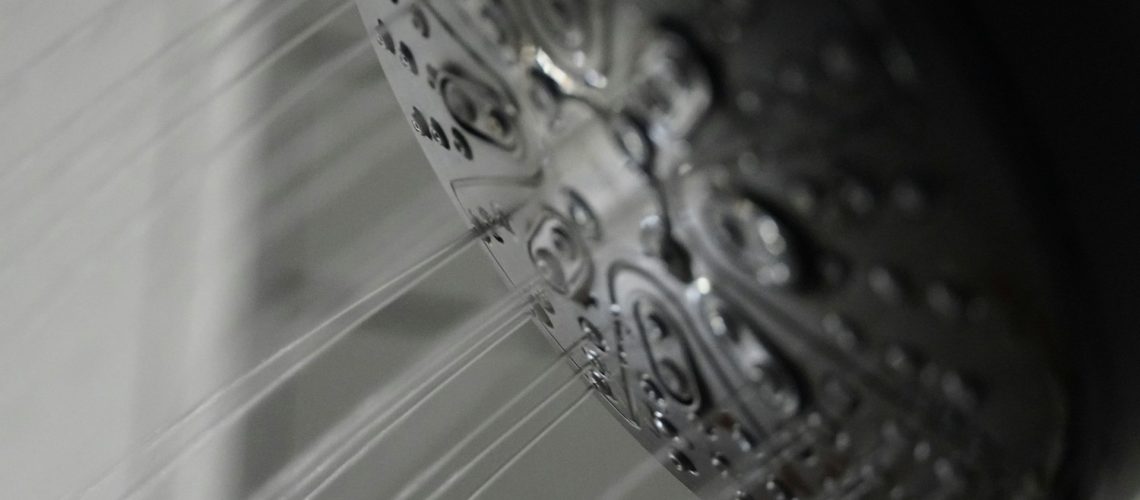
A leaking shower might start with just a few drops, but it can lead to much bigger problems if left unchecked. Water has a sneaky way of working its way into places it doesn’t belong, which can cause damage to walls, floors, and even the structure of your home. It creates the perfect environment for mold and mildew to grow, especially in a place like Buffalo, where homes are sealed tight against the seasons.
Aside from the damage, a dripping shower can be frustrating. It messes with your water pressure, drives up water bills, and might be signaling deeper plumbing problems. That’s why acting early is smart. Spotting a leak and addressing it quickly can save you the stress and cost of major repairs down the line.
Identifying The Source Of The Leak
Before doing anything else, take a close look at the shower. Some leaks are easy to spot, like water dripping from the showerhead. Others take a bit of investigation. A wet spot on a wall or ceiling doesn’t always mean the leak is directly above it. Water can travel before settling or dripping.
Here are common places you should check:
- Showerhead connections: If the showerhead is loose or not screwed on properly, water can leak where it connects to the pipe.
- Faucets and valves: If water drips even when the shower isn’t in use, the issue may be with a worn-out washer or a faulty valve.
- Caulking and grout lines: Look at the base of the shower, corners, and where the tiles meet. Cracks and gaps can allow water to escape.
- Shower doors or curtains: If the seals are damaged or missing, water can leak under or around the door.
- Outside the shower: Check the walls, floorboards, or ceilings underneath the shower. Peeling paint, stains, or soft drywall are signs of possible hidden leaks.
If you’re noticing water damage appearing in spots that aren’t directly adjacent to the shower, the problem could be inside the wall or under the floor. This is especially common in older homes around Buffalo. Late summer humidity makes things even trickier, as trapped moisture may linger longer and spread quietly.
Temporary Solutions To Control The Leak
Once you’ve narrowed down the source, you can try some quick fixes to limit the damage until professional help is available.
- Apply waterproof tape: If there’s a minor crack along a pipe or near the showerhead threading, tightly wrap the area with waterproof tape. It can contain the leak temporarily.
- Use silicone caulk: If broken caulking is letting moisture through, remove the old caulk, dry the area thoroughly, and apply a new layer of silicone sealant around the edges.
- Tighten loose parts: A simple twist on loose pipe fittings or the showerhead arm can stop a slow drip.
- Shut off the water: If the leak is severe or ongoing, turn off the shower’s water supply completely to stop additional damage.
Keep in mind, these are short-term fixes. They’re intended to hold things over for a little while, but the underlying issue still needs attention. If the damage is visible or the leak returns, it’s time to move beyond a temporary patch.
Long-Term Solutions And When To Call A Professional
When the leak continues or has already led to visible damage, it’s important to get expert help. Long-term shower leaks can lead to structural risks, mold, and a host of expensive problems. A licensed contractor or plumber can find the root cause and recommend the best fix.
Professional repairs may include:
- Replacing worn-out washers or valve cartridges
- Re-caulking damaged seams and corners
- Fixing loose pipe fittings hidden inside walls
- Replacing cracked tile or degraded grout lines
- Repairing or replacing water-damaged drywall
In some situations, surface repairs won’t be enough. If the fixtures, plumbing, or materials in your bathroom are decades old, these issues may continue to pop up. That’s when it might make the most sense to consider a full bathroom remodel. In many older Buffalo homes, plumbing systems are outdated, materials have worn down, and design choices from past eras aren’t made to withstand today’s usage.
Remodeling helps eliminate ongoing problems by allowing professionals to upgrade plumbing, improve waterproofing, and install materials built to last. It gives your bathroom a completely fresh start while addressing the root causes of repeated leaks.
Preventing Future Bathroom Leaks
Once the leak is fixed, don’t stop there. Taking a few smart steps afterward can help prevent future problems and keep your bathroom running the way it should.
Here are some helpful maintenance and upgrade ideas:
- Check around the shower every month for signs of moisture where it shouldn’t be: spotting soft spots on walls or floors early can make a big difference.
- Wipe down wet surfaces after finishing your shower to prevent standing water and mold buildup.
- Invest in high-quality silicone caulk for edges and seams. Cheaper alternatives may crack or peel more easily over time.
- Don’t ignore small drips or constant moisture. These can be early signs of bigger system issues.
- Replace aging showerheads and valves with modern, rust-resistant models that are better at sealing in water and lasting longer.
Homes that were built without moisture-resistant materials may need more frequent updates. Small upgrades made early can help stop repeated damage, and well-installed fixtures protect surfaces from future leaks.
Keep Your Bathroom Leak-Free With Smart Action
Leak problems don’t correct themselves, and the longer one goes without a fix, the more damage it can do. Water finds cracks, gaps, or weaknesses and spreads beyond what you can see. Taking early action helps protect your home from mounting repair costs and water-related hazards.
From spotting the early warning signs to applying temporary fixes to choosing long-term repair options, being proactive is the best way to stay ahead of bathroom leaks. If your bathroom has seen its fair share of patch-ups or still contains aging hardware, a remodel can refresh the space while solving those core problems once and for all.
Whether your Buffalo home is newer or has a long history, taking leaks seriously will keep your bathroom dry, your walls intact, and your mind at ease.
Got leaks that need fixing and want to avoid future headaches? Consider full bathroom remodels to tackle those persistent issues and give your space a fresh start. With quality updates, you’ll not only stop leaks but also enhance the function and look of your home. Let Bacon Home Remodeling help you achieve a durable and beautiful bathroom that stands the test of time.