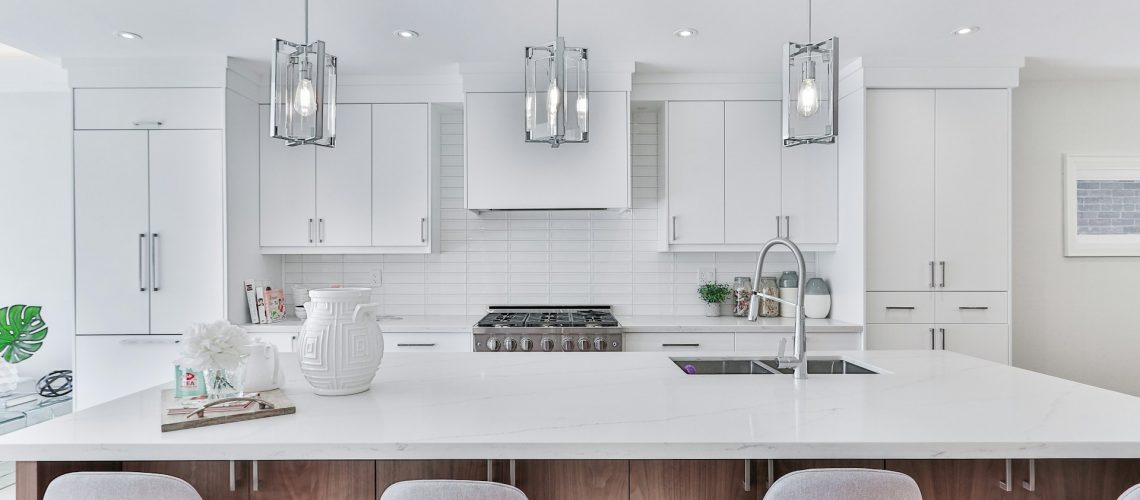
A kitchen island can be more than just a place to chop vegetables or set down groceries. When it’s planned thoughtfully, it becomes a hardworking part of your daily routine. Whether you’re hosting family dinners, helping kids with homework, or simply enjoying your morning coffee, the island often becomes the center of it all. That’s why placement and layout matter more than most people expect.
If you’re thinking about starting kitchen remodels in Buffalo, NY, the way your island fits into the space should be one of the first things you consider. It’s not just about how it looks. It’s about how it works with the flow of your kitchen. From spacing and traffic patterns to the appliances around it, every detail affects how comfortable and functional that space turns out to be.
Benefits Of Adding A Kitchen Island
A well-placed kitchen island does a lot of heavy lifting without taking up too much space. Even a smaller island can serve multiple purposes. It all depends on what your kitchen needs and how your household uses the space every day.
Here are some of the common benefits homeowners enjoy when they add a kitchen island:
– Extra counter space: Whether you’re prepping meals or laying out buffet-style dishes during a party, those added square feet make a big difference.
– Additional storage: Drawers, cabinets, built-in racks. There are many ways to pack an island with storage that reduces clutter elsewhere.
– A more social setup: A kitchen island can give your guests a place to sit and chat while you cook, keeping the space relaxed and inviting.
– Room for appliances or fixtures: Some islands house cooktops, prep sinks, or even wine coolers, allowing you to spread out functionally across the kitchen.
– Casual dining space: Adding seating to one side of the island can transform it into a quick spot for breakfast, snacks, or catching up after work.
Think of the kitchen island as the link that brings cooking, working, and socializing together in one central point. One Buffalo homeowner we worked with chose to extend their island into a full prep and eating area. Now, it’s where the kids do homework while dinner is being made, and it looks sharp without being fussy. That one upgrade changed how the whole kitchen feels.
Key Considerations For Placement
The size and layout of your kitchen play a big role in where (and even if) an island fits. It’s tempting to focus only on appearance, but the way you move around the island each day matters just as much. The goal is to add something useful, not something that clogs up the room or causes tight squeezes.
Start by answering a few basic questions:
– Do you have at least 36 to 42 inches of clearance on all sides?
– Will the island block doors, appliances, or entryways?
– Are you able to maintain a good workflow between the fridge, sink, and stove?
That last one is known as the kitchen work triangle. It’s the idea that the fridge, sink, and stove should be within close range of each other, without anything getting in the way. A misplaced island can break that flow, forcing you to walk around it constantly or reach awkwardly while cooking.
Another consideration is connection. You don’t want to isolate sections of your kitchen or block lines of sight between the cooking area and living space. This is especially important if your kitchen opens into another room, which is common in many Buffalo homes.
Good placement should support how you live, not just how you want the kitchen to look. Once you’ve figured out the basics, you can start thinking about layout shapes and extra features. That’s where the fun parts begin.
Popular Layout Ideas That Fit Your Space
Once you’ve thought through spacing and flow, the next step is figuring out what kind of island works best in your kitchen. Not every layout fits every space, so it’s helpful to look at a few options that have worked well for different Buffalo homeowners.
1. Central Island
This is one of the more classic styles. A central island sits in the middle of the kitchen, typically aligned with major cooking or prep areas. It works well if the space around it is balanced and open. It gives equal access to every side, so it’s easy to work or gather around without bumping into each other.
2. L-Shaped Island
If your kitchen is larger or open to other rooms, an L-shaped island gives you more counter surface without crowding everything into a rectangle. It also carves out areas for multiple tasks at once, prepping food, storing kitchen items, and setting a spot for casual dining, all without having to mix those activities on the same stretch of counter space.
3. U-Shaped Island
This one is better suited for very large kitchens or open layouts. A U-shape creates even more working zones and feels almost like having a chef’s prep area right at home. It can include sinks, seats for a few people, and plenty of cabinets or shelving.
4. Movable Island
For smaller kitchens, a portable rolling island might be the smart choice. While it might not have built-in water or electrical, it can be moved around when you need more room or pushed away when guests come over. It provides flexibility in spaces where permanent islands wouldn’t make sense.
Before settling on any layout, think about what you really want out of the island. Is it meal prep? More storage? Hosting? Once that’s clear, it’s easier to match the layout to your kitchen’s needs and size.
Ideas For Custom Features That Make A Difference
What makes a kitchen island go from just okay to something truly functional is when it’s customized to your lifestyle. A few thoughtful upgrades or design decisions can help make the space feel like it was built just for you.
Here are some strong upgrades to think about:
– Built-in drawers and deep cabinets to replace overstuffed pantry shelves
– Pull-out trash bins to manage mess without taking up floor space
– Open shelving on one or both sides for cookbooks, small baskets, or decorative items
– Overhead outlets or charging stations, so phones or tablets stay nearby while cooking
– Comfortable seating on one side, whether it’s bar stools or a lowered eating section
– Specialty surfaces such as butcher block for chopping or stone for rolling dough
Materials matter too. Wood adds warmth, quartz gives a sleek look, and certain finishes help blend the island into the rest of the kitchen without it sticking out visually. Aim for something that feels consistent with your home’s style but still has its own features.
We’ve seen some homeowners add details like built-in wine racks, custom spice drawers, or even pet feeding zones. A family in North Buffalo added a bookshelf to one side of their island for kids’ art supplies and puzzles, something you don’t commonly see in stock designs.
Bringing Your Kitchen Island Vision To Life
A great kitchen island starts with useful ideas and planning that fits with how you actually live. It’s not just about upgrading for the sake of change. It’s about adding value to your kitchen in a way that makes each day easier and more enjoyable. From layout to finishing touches, every choice plays a part in bringing your kitchen together.
Buffalo kitchens come in all shapes and sizes, and the best island designs take full advantage of that variety. Whether your space leans traditional, modern, or somewhere in between, there’s a layout and customization plan that will work for you.
The trick is to think ahead and build around what your family needs most. Kitchens aren’t just cooking stations anymore. They’re where life happens. Creating something thoughtful and personal, like a custom island, can turn that room into one of your favorite places in the house.
When you’re ready to transform your kitchen into a functional and stylish space, consider exploring our expert services in kitchen remodels in Buffalo, NY. With Bacon Home Remodeling, you can create the perfect kitchen island that truly reflects your lifestyle and enhances your home.