
Basements often get a bad rap for being dark, closed off, or feeling like an afterthought. But with a few smart lighting upgrades, you can turn that space into one of the most welcoming areas of your home. Good lighting isn’t just about flipping on a switch. It can completely change how a basement feels and functions, whether you’re finishing it for family use, creating a game room, or setting up a home office.
If your basement feels more like a cave than a comfortable spot, you’re not alone. Many older homes in Buffalo come with basements that were never meant to be lived in. That’s why lighting plays such an important role in a basement remodel. By taking the time to plan and install the right lighting, you can create a brighter atmosphere that feels just as inviting as the other rooms in your house.
Evaluate Your Current Lighting Situation
Before you start shopping for light fixtures or thinking about paint colors, take a good look at what you’re working with right now. Basements tend to have limited natural light, and unless they’ve been finished recently, chances are the lighting isn’t doing the space any favors. Flickering bulbs, outdated fixtures, or one lonely ceiling light in the middle of the room won’t cut it if you’re aiming for brightness and comfort.
Here’s how to assess your current layout:
– Start by checking where all the existing light sources are. Note if they’re overhead, on the walls, or portable lamps.
– Pay attention to how evenly the light is spread. Are there corners that stay dark no matter what?
– Judge the color temperature of your bulbs. Older bulbs may cast yellow or dim light, while more modern ones offer cool or daylight tones that feel fresher.
– Sketch out any windows or other openings. Even small ones can impact how much natural light filters in, especially during Buffalo’s sunnier summer months.
– Think about what activities happen in the basement. Watching movies, folding laundry, or working on a hobby will all need different types of lighting setups.
Don’t forget to factor in any low ceilings or strange shadows created by architectural details. These can affect how you place new lights later on. A full lighting plan will help overcome those problems, but first, knowing where your current setup falls short is key.
Choosing The Right Types Of Lighting
Now that you’ve identified where your basement lighting is lacking, it’s time to think through the types of fixtures that will actually make a difference. The goal is to layer different kinds of light so the entire room feels balanced and bright, regardless of the time of day.
Here’s a quick breakdown of the three main types of lighting and where each one can work best:
1. Ambient Lighting
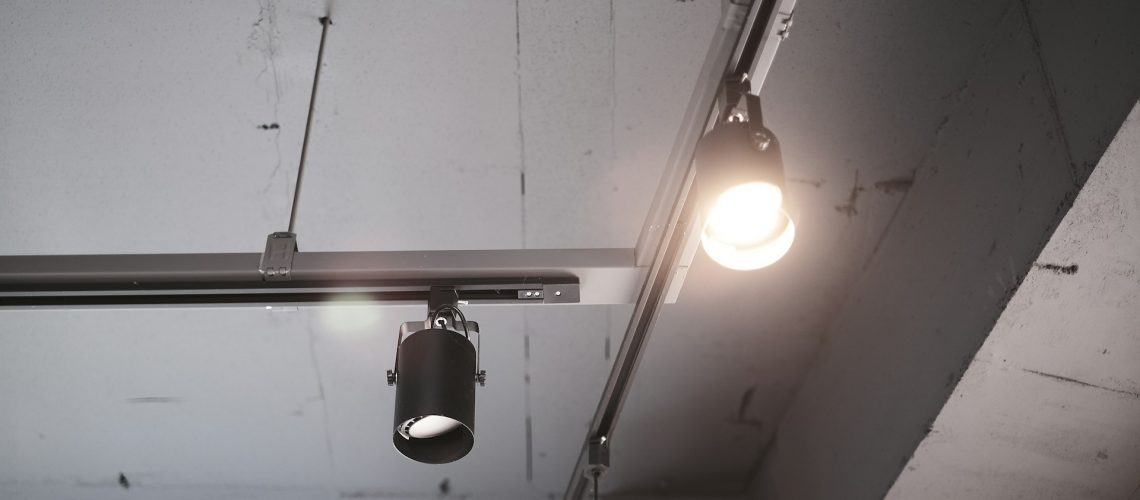
This is your main source of light. Recessed lighting works well in basements because it doesn’t eat up headroom. Track lighting is another good option that gives you more flexibility when directing the light to different zones of the room. Even a flush-mount ceiling light can work well in smaller areas.
2. Task Lighting
These are focused lights that make specific areas more functional. For example, if you have a basement bar or working space, under-cabinet lights or table lamps help illuminate just what you need. Floor lamps next to reading chairs or desks also add convenience and comfort.
3. Accent Lighting
This is where you can get creative. Accent lights help draw the eye to artwork, textured walls, or built-in shelves. LED strips or small wall-mounted lights let you show your personal style while adding warmth to the space.
Picking the right combination of these lighting types helps give your basement depth. No more relying on one single overhead light to do all the work. Thoughtful choices lead to a basement that feels cozy, functional, and brighter all around. One client in Buffalo updated their old, shadowy basement into a vibrant game room just by combining recessed ceiling lights with a few colorful wall sconces and a trendy floor lamp next to their gaming setup. Just goes to show what the right lighting mix can do.
Maximizing Natural Light
Even if your basement doesn’t get much direct sunlight, there are still ways to make the most of every bit of natural light that does come in. Some Buffalo homes have small or high-set basement windows, often called hopper or slider windows. These aren’t always ideal, but there are a few tricks that can help brighten the space using what’s already there.
First, clear any clutter and debris outside the window wells. Overgrown shrubs, dirt buildup, or window coverings can block valuable sunlight. Clean windows, both inside and out, go a long way in improving brightness. Inside, keep window treatments light and sheer to let daylight flow in. Avoid dark or heavy curtains that absorb light and make the room feel smaller.
Next, think about using elements that reflect natural light throughout the basement. This doesn’t mean covering the entire room in mirrors. A few targeted changes can make a big impact:
– Choose light paint colors for walls and ceilings. Off-whites, soft grays, and warm pastels reflect light instead of soaking it up.
– Opt for glossy or satin paint finishes instead of matte ones. These help bounce light instead of dulling it.
– Use mirrors in smart spots across from a window or near light-colored walls.
– Try glass or mirrored furniture surfaces for coffee tables, end tables, or shelving.
– Replace heavy flooring with lighter materials like light-toned hardwoods or vinyl.
There are also basement-specific additions that help boost natural lighting. If you’re doing a larger remodel, consider adding egress or garden windows. These make a space safer while drawing in more daylight. Light tubes or solar tubes are another option. Though they’re more common on upper levels, they can sometimes work in basements with creative planning, especially if your home has direct access to sunlight from above.
Creating A Lighting Plan That Works
A strong lighting plan brings everything together and makes sure your basement isn’t just bright but also functional and comfortable throughout the day. Using a mix of ambient, task, and accent lighting helps prevent harsh shadows and gives you control over how each zone of the basement is used.
Start by answering two questions: What will happen in the room, and when will it happen? If the basement is a multi-use space that includes a workout area, TV setup, and laundry zone, each section will need a slightly different lighting approach. That’s why layering lights is such an effective method.
Here’s how to think about creating a lighting plan:
– Map out the space first. Whether it’s on paper or using phone notes, decide where each activity will take place.
– Assign lighting types to each area. Ambient overhead lighting should cover the main space, but add floor lamps for reading corners or pendant lights for a bar.
– Include dimmers where possible. These offer flexibility for multiple uses at any time of day.
– Don’t forget switch placement. Put light controls in easy-to-reach areas. You shouldn’t have to cross a dark room to turn lights on.
– Think about energy savings. LED options last longer and run cooler, which works well for basement areas that may get warm during summer.
Planning your lighting doesn’t have to be hard, but it should be intentional. Well-placed lights help make the basement easier on the eyes and more comfortable for everything from work to play.
Lighting That Turns A Basement Into a Destination
With the right lighting plan, a basement stops being an afterthought and becomes one of the most enjoyable spots in your home. A space that once felt dull or uninviting can turn into a bright and flexible area for whatever your family needs, whether it’s movie nights, hangouts, working from home, or relaxing during warm months in Buffalo.
From evaluating your current lighting to picking the right fixtures, bringing in natural light, and layering lighting types, these steps can make a big difference. A smart lighting plan creates not just a brighter space but one that’s livable, versatile, and comfortable for all seasons.
To truly elevate your basement lighting and make it a standout part of your home, a thoughtful remodel can make all the difference. Whether you’re dreaming of a cozy family space or a sophisticated entertainment area, proper lighting is key. Learn how you can get more out of your basement remodels and let Bacon Home Remodeling help bring your vision to life with expert solutions tailored for homes in Buffalo.